
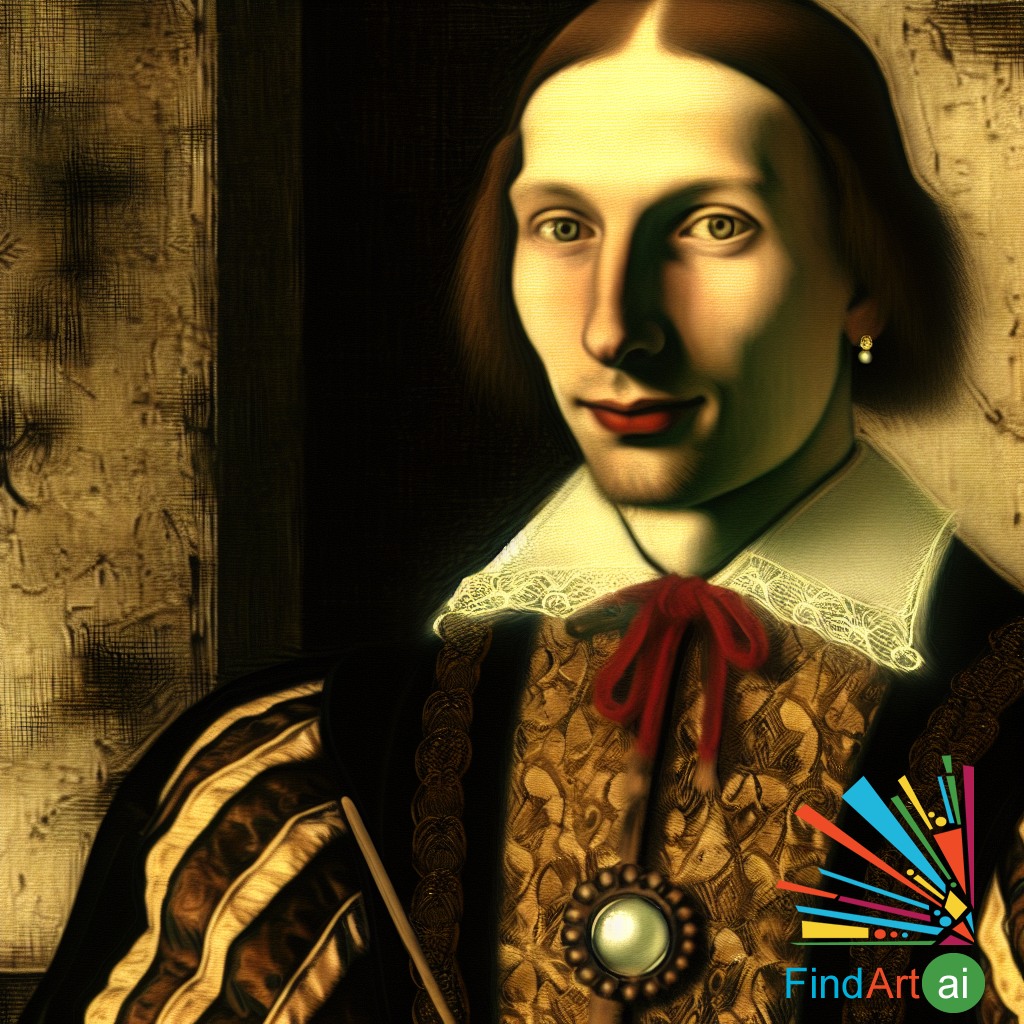
Renaissance Paintings with Portraiture Theme
Renaissance portraiture is a key aspect of Renaissance art, reflecting the period's emphasis on humanism, individualism, and the revival of classical ideals. Portraits during the Renaissance (14th–17th centuries) were not only detailed representations of individuals but also conveyed a deep understanding of human psychology, status, and personality. The portraits celebrated human dignity, individuality, and achievements, often influenced by advancements in anatomy, perspective, and the use of light.
Key Characteristics of Renaissance Portraiture
- Focus on Individualism:
- Portraits during the Renaissance emphasized the unique features and personalities of the subject, capturing not just their physical likeness but also their inner character. This shift reflected the humanist philosophy that valued the individual.
- Naturalism and Anatomical Accuracy:
- Renaissance artists sought to create lifelike portraits with accurate depictions of human anatomy. They studied human anatomy through dissections and used scientific observation to make their subjects appear more realistic, with natural poses, expressions, and gestures.
- Three-Dimensionality and Perspective:
- Portraits utilized linear perspective and chiaroscuro (the contrast of light and dark) to create a sense of depth and volume. The subject often appears three-dimensional, standing out from the background, which might include detailed architectural or landscape elements.
- Symbolism and Iconography:
- Portraits were often filled with symbolic elements that reflected the subject’s social status, occupation, achievements, or personal attributes. For example, books might represent knowledge, while a sword could symbolize nobility or military prowess.
- Idealization and Realism:
- While Renaissance portraits aimed for realism, they also idealized the subject, particularly in commissioned works of royalty, nobility, or religious figures. Artists often portrayed their subjects as more graceful, dignified, or heroic than they might have been in reality.
- Detailed Backgrounds and Settings:
- The background in Renaissance portraits often provided additional context for the subject’s life. Landscapes, luxurious interiors, or classical architecture could indicate the subject’s wealth, education, or social standing. Sometimes, religious or mythological themes were subtly integrated into the background.
- Use of Light and Shadow:
- Renaissance artists mastered the use of light to create a naturalistic effect. The use of sfumato (soft transitions between colors and tones) helped create a lifelike appearance. The interplay of light and shadow on the face and clothing gave the portraits a more dynamic and realistic quality.
- Commissioned by the Wealthy:
- Portraits were often commissioned by wealthy patrons, including merchants, noble families, or religious leaders. These patrons wanted to assert their social status, power, and accomplishments through their portrayal in art.
Common Themes in Renaissance Portraiture
- Noble and Royal Portraits:
- Portraits of kings, queens, dukes, and nobles often showed them in their finest clothing, adorned with symbols of power and wealth, such as crowns, jewelry, and luxurious fabrics.
- Example: Portrait of Lorenzo de' Medici by Bronzino, which depicts the Florentine ruler in regal attire, projecting authority and sophistication.
- Religious Figures:
- Portraits of saints, popes, and clergy were common, especially in religious altarpieces. These portraits often conveyed the subject’s piety, wisdom, and divine connection.
- Merchant and Patron Portraits:
- With the rise of the merchant class during the Renaissance, wealthy merchants and intellectuals commissioned portraits that reflected their personal achievements and social influence.
- Example: Jan van Eyck’s Portrait of a Man (Self-Portrait), which is both a technical masterpiece and a reflection of individual self-awareness.
- Self-Portraits:
- Artists began to depict themselves in self-portraits, reflecting the Renaissance's focus on individual identity and the artist’s growing role in society.
- Example: Albrecht Dürer’s Self-Portrait at Twenty-Eight, where the artist presents himself with almost Christ-like features, symbolizing the nobility of the artist's profession.
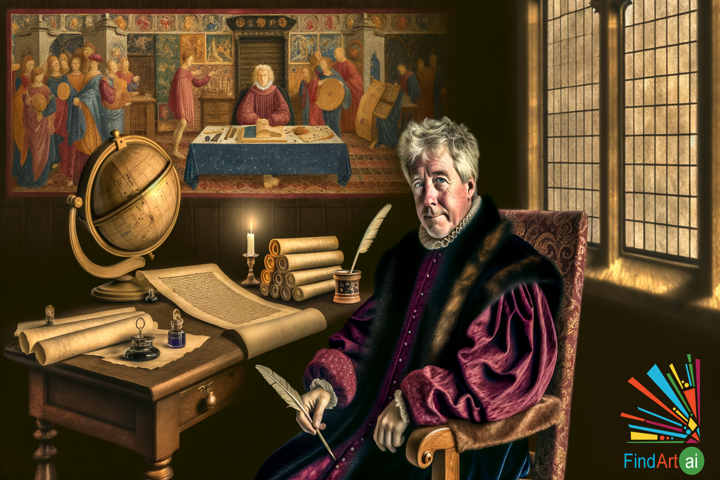
Renaissance Spirit: A Scholar's Thoughtful Gaze in a Richly Adorned Study
"The Scholar's Contemplation" captures the spirit of Renaissance portraiture, portraying a middle-ag...
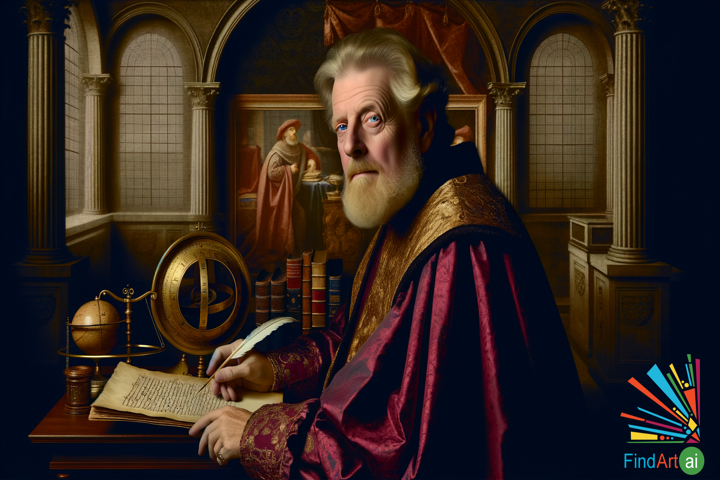
Renaissance Portraiture: An Elderly Scholar in a Luxurious Study Illuminated by Soft Light
"The Scholar in Contemplation" captures the essence of Renaissance portraiture, showcasing an elderl...
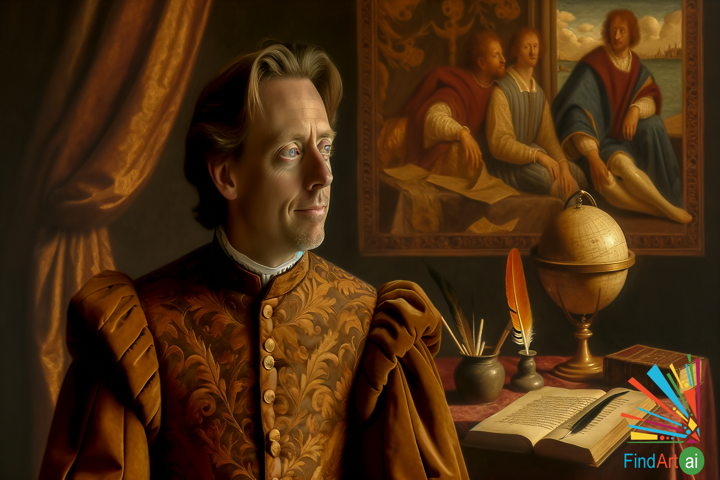
Renaissance Scholar: A Portrait of Humanist Ideals in a Richly Adorned Study
"The Noble Scholar in Contemplation" is a Renaissance-style portrait showcasing a distinguished scho...
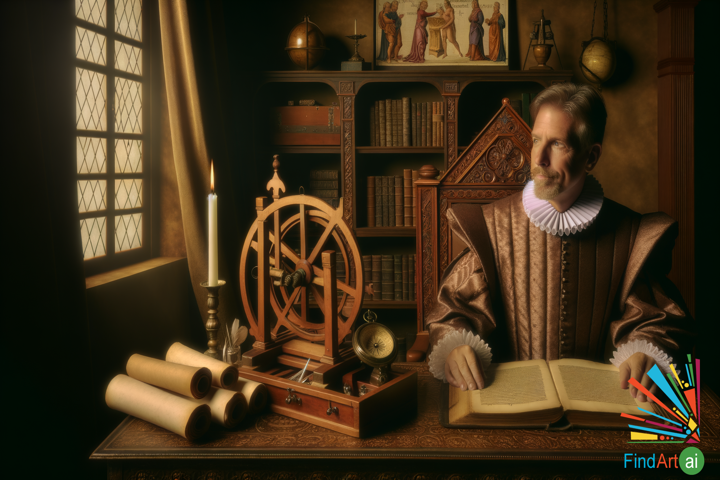
Renaissance Scholar: Illuminated Study Amid Dawn's First Light and Ancient Wisdom
"The Scholar's Solace" is a Renaissance-style painting depicting a distinguished 16th-century schola...
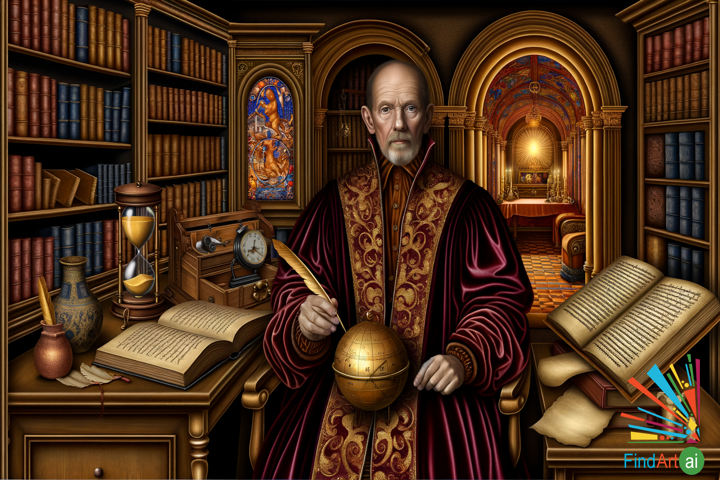
Renaissance Painting Celebrates Humanism: Scholar Amidst Books & Globe in Rich Study
"The Scholar in Contemplation" is a Renaissance-style painting that celebrates intellectual pursuit ...
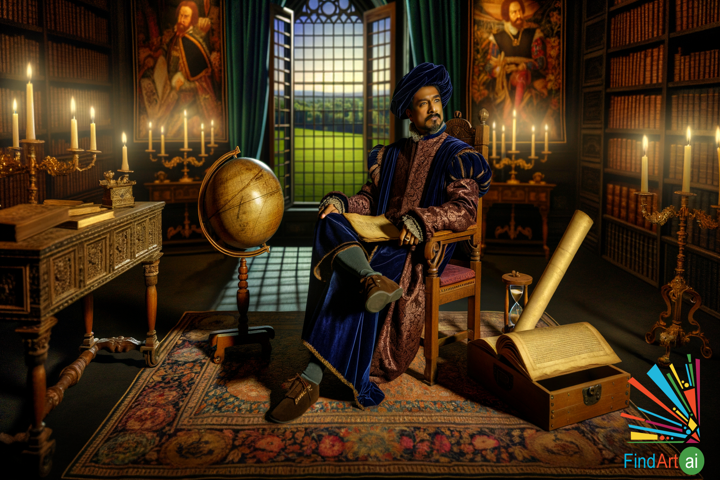
Portrait of Wisdom: A Renaissance Nobleman Surrounded by Symbols of Knowledge
"The Noble Scholar" depicts a Renaissance nobleman in a candlelit chamber, epitomizing wisdom and gr...