
Surrealism
Surrealism is an art movement that emerged in the early 20th century, primarily in the 1920s, characterized by its exploration of the unconscious mind, dreams, and the juxtaposition of unexpected elements. Surrealists sought to challenge conventional perceptions of reality and express the irrational and fantastical aspects of human experience. By combining ordinary objects in unusual ways, they aimed to unlock the creative potential of the subconscious.
Key Characteristics of Surrealism
- Dreamlike Imagery
- Surrealist art often features fantastical and dreamlike scenes, blurring the line between reality and imagination. Artists aim to create a sense of the uncanny, evoking feelings of surprise and confusion.
- Example: Salvador Dalí’s The Persistence of Memory presents a dreamscape with melting clocks, symbolizing the fluidity of time and the surreal nature of dreams.
- Juxtaposition of Unrelated Elements
- Surrealists frequently place seemingly unrelated objects together, creating unexpected relationships and challenging logical reasoning. This technique aims to provoke thought and evoke emotional responses.
- Example: René Magritte’s The Treachery of Images features a pipe with the caption "Ceci n'est pas une pipe" ("This is not a pipe"), highlighting the difference between objects and their representations.
- Automatism
- Many Surrealist artists employed a technique called automatism, which involves creating art without conscious control. This approach encourages spontaneous expression and the exploration of the subconscious mind.
- Example: André Masson’s automatic drawings allow for free-flowing lines and forms that reflect the artist's inner thoughts and emotions.
- Symbolism and Personal Imagery
- Surrealism often incorporates personal symbols and imagery drawn from the artist's own dreams, memories, and psychological experiences. These symbols may have specific meanings unique to the artist.
- Example: Max Ernst’s The Elephant Celebes features a surreal landscape with dreamlike creatures, reflecting Ernst's own subconscious exploration.
- Exploration of the Unconscious
- Surrealism is deeply influenced by psychoanalysis, particularly the ideas of Sigmund Freud. Artists aimed to reveal the hidden depths of the mind and explore themes of desire, anxiety, and the irrational.
- Example: Paul Éluard’s poetic works often accompany Surrealist paintings, delving into the subconscious and expressing surreal themes.
- Use of Collage and Photomontage
- Surrealists frequently employed collage and photomontage techniques to create new realities by combining different images and materials. This method emphasizes the surreal and unexpected.
- Example: Hannah Höch’s collages juxtapose various images and texts, challenging social norms and gender roles through the surreal assembly of visuals.
- Transformation and Metamorphosis
- Many Surrealist works depict transformations, where objects and figures morph into other forms, reflecting the fluidity of reality and the subconscious mind.
- Example: Frida Kahlo’s The Two Fridas explores duality and identity, showcasing two contrasting selves in a surreal landscape.
Common Themes in Surrealism
- The Unconscious Mind: Surrealism emphasizes the exploration of dreams, desires, and fears, often drawing from Freudian concepts of the unconscious.
- Reality vs. Illusion: The movement challenges perceptions of reality, blurring the boundaries between the real and the imaginary.
- Psychological Exploration: Surrealist art delves into complex psychological themes, exploring the depths of human emotion and experience.
- Fantasy and the Absurd: The juxtaposition of the bizarre and fantastical creates a sense of wonder and invites viewers to question their understanding of reality.
Famous Surrealist Artists and Works
- Salvador Dalí
- Known for his meticulous and dreamlike paintings, Dalí’s works, such as The Persistence of Memory and The Elephants, explore themes of time, dreams, and the subconscious.
- René Magritte
- Magritte’s art, including The Treachery of Images and The Son of Man, plays with perception and reality, often using clever visual puns and paradoxes.
- Max Ernst
- A pioneer of Surrealism, Ernst’s works like The Elephant Celebes combine dreamlike imagery and personal symbolism, reflecting his exploration of the unconscious.
- André Breton
- Although primarily known as a writer and theorist, Breton’s contributions to Surrealism included manifestos and poetry that helped define the movement’s principles.
- Frida Kahlo
- Kahlo’s deeply personal works, such as The Two Fridas, explore identity, pain, and the subconscious, often incorporating surreal elements and symbolism.
- Paul Klee
- Klee’s whimsical and dreamlike compositions, such as Twittering Machine, blend elements of abstraction and surrealism, inviting imaginative interpretations.
- Yves Tanguy
- Tanguy’s landscapes, like Indefinite Divisibility, are characterized by dreamlike forms and abstract shapes, creating an otherworldly atmosphere.
Surrealism is an influential art movement that seeks to explore the unconscious mind and challenge perceptions of reality through dreamlike imagery, unexpected juxtapositions, and symbolic representation. By drawing from personal experiences, dreams, and psychoanalysis, Surrealist artists invite viewers into fantastical realms that blur the boundaries between the real and the imaginary. The movement's emphasis on the irrational and the exploration of psychological depths has left a lasting impact on contemporary art and culture.
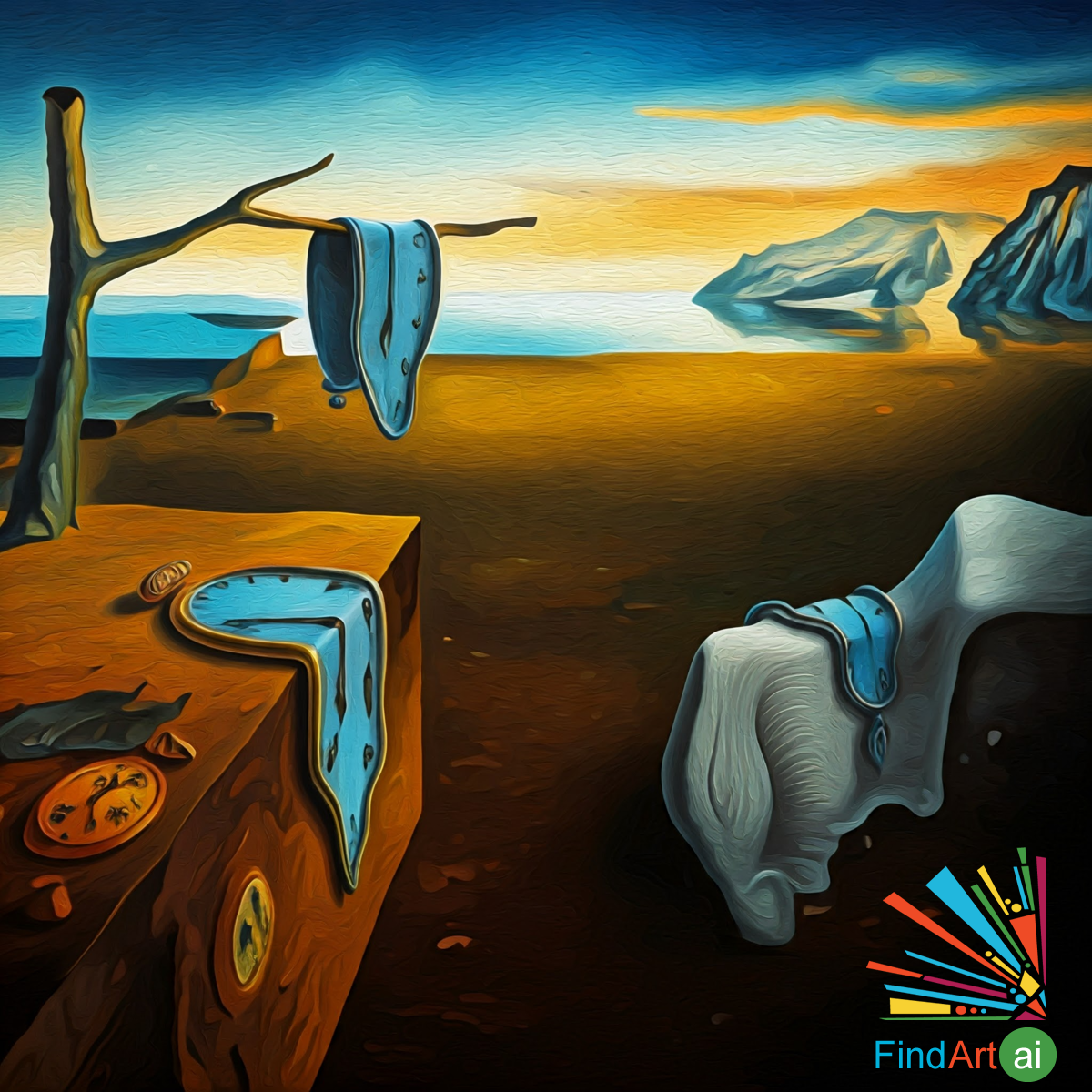
Surrealism Paintings with The Unconscious Mind Theme
Surrealist paintings with the Unconscious Mind theme delve into the depths of human psychology, expl...
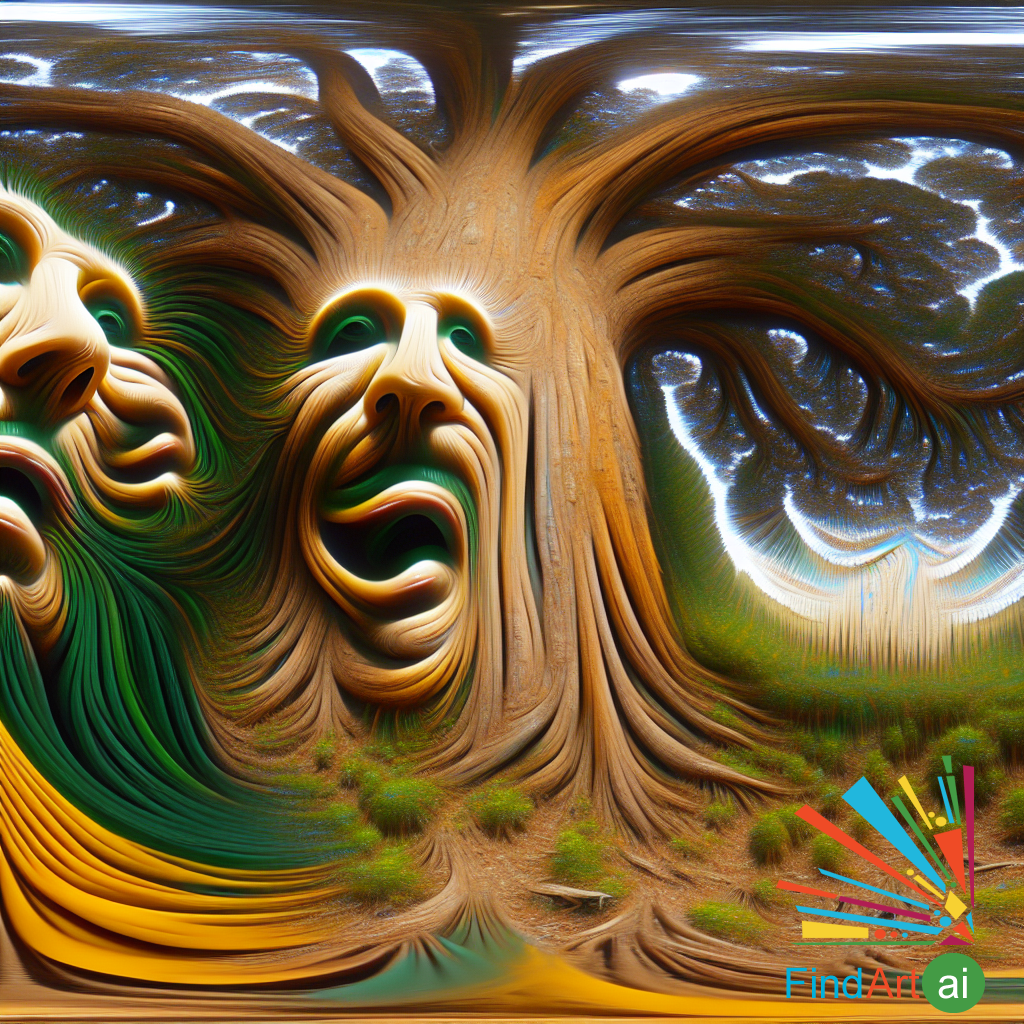
Surrealism Paintings with Reality vs. Illusion Theme
Surrealist paintings with the Reality vs. Illusion theme create visual paradoxes that explore the bo...

Surrealism Paintings with Psychological Exploration Theme
Surrealism paintings with the Psychological Exploration theme serve as windows into the depths of th...
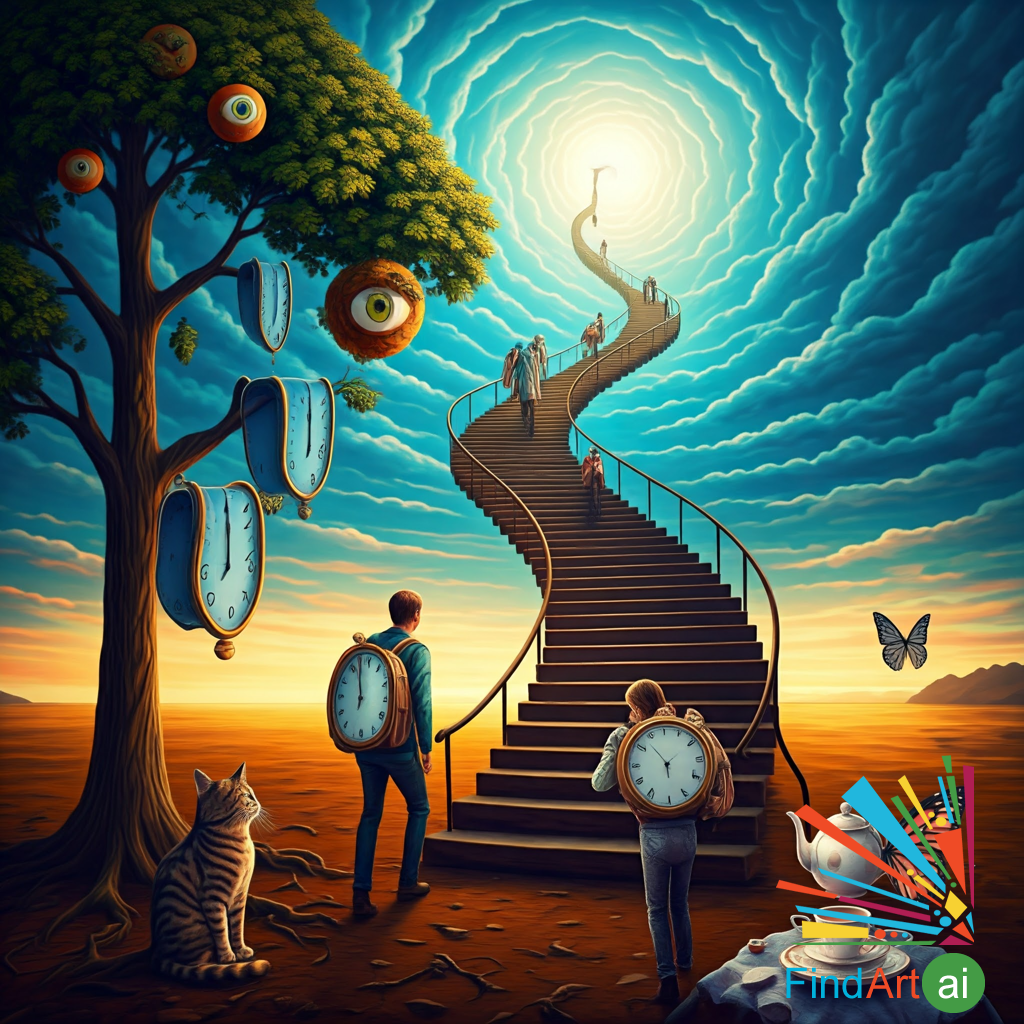
Surrealism Paintings with Fantasy and the Absurd Theme
Surrealism paintings with the Fantasy and the Absurd theme celebrate the limitless possibilities of ...
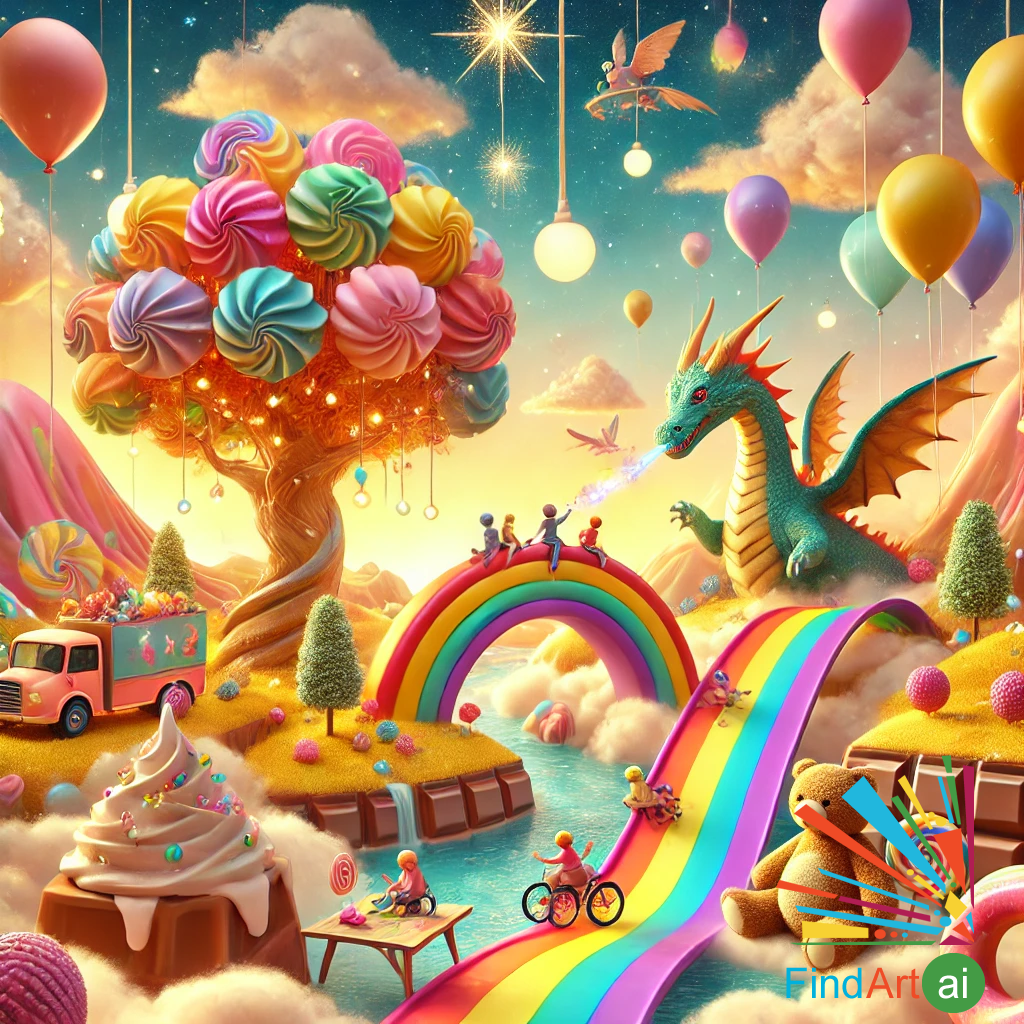
Childhood Imagination: A Whimsical Journey Through a Child’s Dreamworld
This art theme celebrates the boundless creativity of a child’s mind, blending everyday moments with...